Understanding Projection Technology
Projection technology stands at the forefront of visual communication, allowing images and videos to be displayed onto surfaces with precision and clarity. The fundamental principle revolves around identifying how light can be manipulated and directed towards a specific area, effectively creating an image that can be viewed by an audience. This process involves several key mechanisms, crucial to the functionality and adaptability of projection systems.
At the core of projection technology is the projector itself, which utilizes a light source—such as LEDs, lasers, or traditional bulbs—to illuminate a digital image. This image is generated by a matrix of pixels on a digital display, which is then enlarged through an optical lens system. The sophisticated interplay of these components permits various projection types, including front, rear, and overhead projection, each serving distinct purposes in diverse environments.
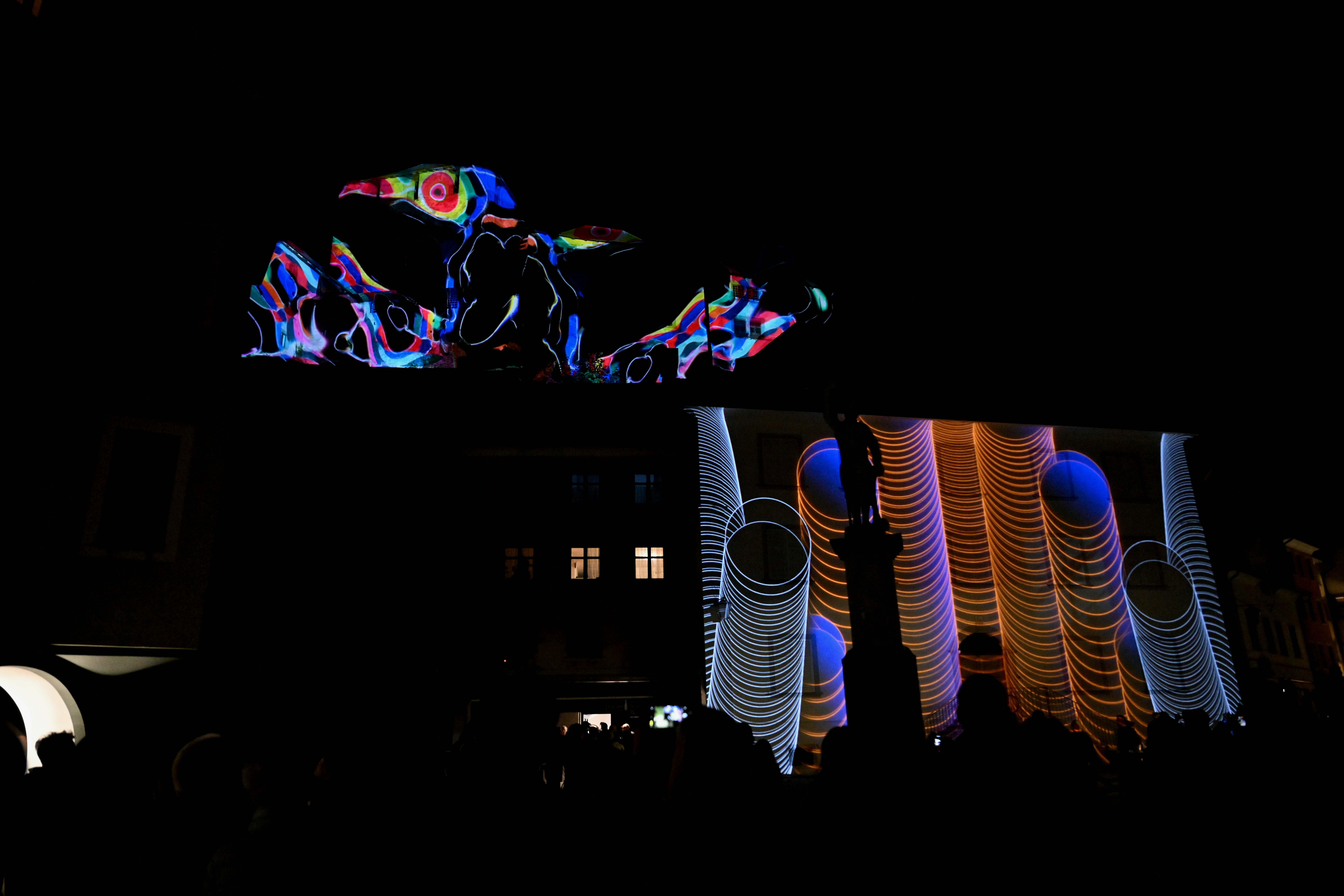
Recent advancements in projection technology have significantly broadened the scope of its applications. These innovations have facilitated the development of solutions that enable projections onto irregular surfaces, which were once deemed challenging due to their complex shapes. Techniques such as keystone correction and warping allow projectors to effectively adapt visuals to fit unique forms, making it possible to display coherent images on curvilinear or uneven surfaces. This has opened new avenues in fields such as architecture, art installations, and marketing events.
The evolution of projection technology continues to embrace new trends, including 3D projection mapping, which enhances immersive experiences by overlaying multimedia content onto three-dimensional objects. This interactive approach engages audiences and provides opportunities for creative expression that transcend traditional formats. As these technologies evolve, the ability to transform irregular shapes into high-tech visual experiences becomes increasingly refined, offering both artists and marketers innovative tools to captivate and inform their audiences.
Applications of Projection Technology in Art
Projection technology has emerged as a transformative tool within the art world, allowing artists to enhance their creative expressions and engage audiences in new and compelling ways. From immersive installations in prestigious galleries to dynamic performance art pieces, the applications of projection technology have broadened the scope of artistic possibilities. Artists are increasingly employing this medium to manipulate visual narratives, breathing life into irregular shapes and spaces and altering the perception of both artwork and environment.
In contemporary art galleries, projection technology finds its use in exhibitions where large-scale images or videos are projected onto various surfaces, including walls, floors, and sculptures. This technique creates a 3D effect, inviting viewers to experience art from diverse angles and depths. For instance, the use of projection mapping allows artists to illuminate structures in vibrant colors and patterns, transforming mundane spaces into breathtaking visual experiences that captivate audiences. This dynamic interaction between light and space helps to convey complex themes and emotions, drawing viewers into the narrative and encouraging deeper engagement with the artistic message.
Performance art has also greatly benefited from advancements in projection technology. Choreographers and performance artists are utilizing projections to create multi-sensory environments that complement their physical performances. By integrating multimedia elements—such as real-time video feeds, animations, and digital landscapes—artists can construct immersive worlds that alter the landscape of live performances, effectively blurring the lines between reality and illusion. This novel approach enhances the audience’s emotional connection to the performance, fostering a unique interaction that traditional forms of art struggle to achieve.
The impact of projection technology on audience engagement is profound, as it provides a platform for visual storytelling that resonates on multiple levels. By leveraging this technology, artists can communicate intricate ideas and narratives, prompting viewers to reflect on their own experiences and interpretations. Ultimately, projection technology serves as a vital bridge between artistry and audience, enriching the overall impact of artworks in both physical and virtual realms.
The Technical Challenges of Projecting onto Irregular Shapes
Projecting onto irregular shapes presents a unique set of technical challenges that can hinder the overall visual impact of a projection. One of the primary issues is surface mapping, which involves accurately defining the dimensions and contours of the target object. Unlike a flat screen, irregular surfaces require precise measurements to generate a coherent image. This task is often complicated by the variations in texture, brightness, and color of the surface itself, which can affect the projection quality.
Distortion correction is another significant hurdle in this process. When projecting onto an uneven surface, the image can become warped or misaligned, leading to a distorted visual experience. Professionals typically employ advanced software tools designed specifically for distortion correction. These programs analyze the surface features and adjust the output to compensate for any irregularities, ensuring that the projected image maintains visual integrity. Calibration is critical, as failure to adjust for distortion can result in a compromised presentation that detracts from the intended message.
The advancements in projection mapping technology have introduced innovative solutions to these challenges. For instance, high-definition projectors paired with sophisticated tracking systems allow for real-time adjustments based on changes in the environment or the movement of the object being projected upon. This technology, combined with 3D modeling software, empowers creators to visualize how a projection will appear on the surface before execution, minimizing trial and error during the actual projection phase.
Ultimately, addressing the technical challenges presented by irregular shapes is an intricate balancing act of art and technology. With continuous improvements in software capabilities and projection techniques, professionals are consistently finding new ways to overcome these obstacles, resulting in impressive visual experiences that captivate audiences and enhance the storytelling potential of projections.
Future Trends in Projection Technology and Art Integration
The rapid advancement of projection technology is paving the way for an exciting future where art and technology converge to create immersive experiences. As hardware becomes more sophisticated and software more intuitive, artists can explore novel avenues for creativity, expanding the boundaries of traditional visual mediums. One of the key trends shaping this future is the rise of interactive projection systems. These systems allow audiences to engage with artworks in real-time, transforming passive viewing into an immersive experience that encourages participation. This interactivity adds a dimension to artistic expression, enabling a dialogue between the artwork and its audience.
Moreover, augmented reality (AR) and virtual reality (VR) are poised to play pivotal roles in this transformation. By integrating projection techniques with these technologies, artists will transition beyond physical canvas or sculpture, allowing viewers to step into entirely digital worlds. This combination fosters an environment where the physical and digital realms blend seamlessly, opening endless possibilities for storytelling and artistic interpretation. Furthermore, as the demand for sustainability increases, projection technology may evolve to incorporate eco-friendly materials and designs, making art not only a source of inspiration but also a beacon for environmental awareness.
Collaboration between technologists and artists will be vital for the growth of this field. Partnerships can lead to the development of inventive tools and platforms that enhance creativity. Anti-disciplinary approaches will encourage a cross-pollination of ideas, establishing new art movements that reflect the complexities of our increasingly digital lives. As projection technology continues to evolve, it is likely that we will witness a resurgence of site-specific installations that activate spaces in innovative ways, captivating audiences through unique narratives and experiences. This fusion of creativity and technology will ultimately redefine how art is created, experienced, and appreciated.